



Repetition and Routine
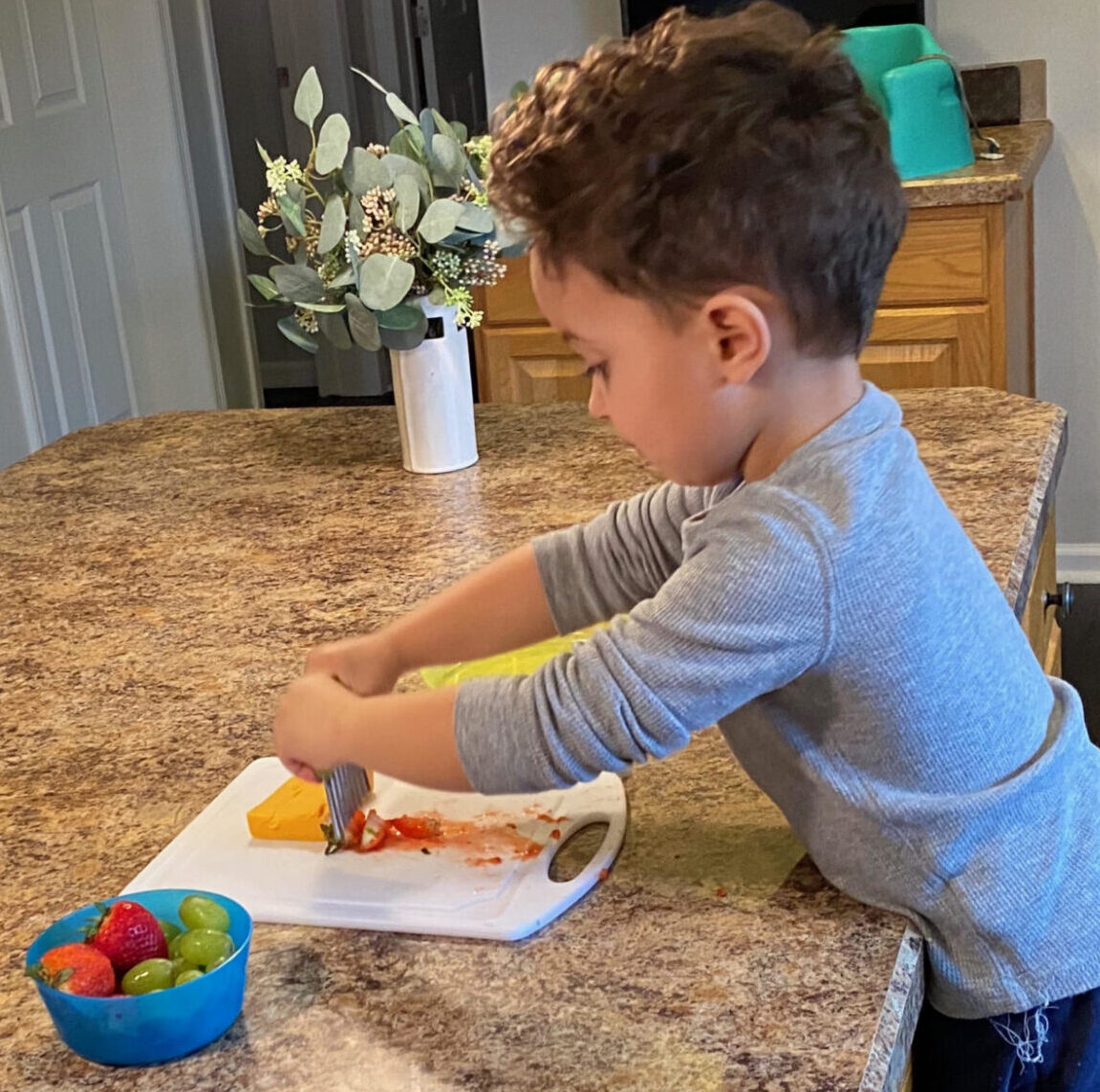
Repetition
Many of our families have asked why circle times and lessons in our remote Montessori environments often follow the same patterns and routines. Repetition and routine are important principles in Montessori education. Montessori theory holds that humans have a love of mastery and we have all heard that “practice makes perfect.” For this reason children are hardwired to enjoy executing tasks until they fully understand them. Even the acts of logging into our morning circle times and muting the microphone while the teacher is talking are tasks that I have observed even our young students are becoming more proficient at performing. This regular repetition of tasks is comforting to children and offers a greater degree of understanding.
“Growth comes from the repetition of an exercise and not from the first apprehension of something new. When a child has reached the stage when he repeats an exercise, he begins to grow interiorly as may be seen from his exterior discipline. But this phenomenon does not always occur. The same exercises are not repeated at every age. In fact, repetition should correspond to a need. The essence of the experimental method of education consists in providing exercises that will satisfy the needs of a growing organism.”- Dr, Montessori, The Discovery of the Child
Routine and Sense of Order
Along with the need for repetition, routine and order are also important to the development of children. Children need order and often work to find patterns and classification systems within their environments. In our new Covid-19 world many previously comforting routines are now missing and need to be replaced with new systems. No longer do children rise in the morning and prepare to leave the house to go to school. Now the learning comes to them within their home environments. Likewise, other activities which defined the flow of the week, like extracurricular activities and visits with extended family, have also been replaced.
How can we satisfy a child’s need for order in our new remote learning environment?
- Maintain predictable routines. Your child’s wake up, get ready, have breakfast routine can still follow the same steps, even if you have put in place a different time for those. Remember it is less important to follow specific times as it is to follow the flow of activities.
- The same thing goes for dinner time and bedtime. Those routines are comforting to children and help them feel safe and secure.
- Schedule breaks throughout the day for everyone! As parents are juggling many different responsibilities right now it is important to remember that your child is looking to you as a role model. Expressing emotions and prioritizing self care are both good examples for your child to see from you. Your behavior is one of the biggest influences on your child’s current and future behaviors.
- If remote work is new to you remember to find your own routines within it to model for your child. For instance, transitioning into your work day (the way you might have during your drive in to work in the past) with the same task each morning and transition out of your work time into your family focused time with the same activity each day. Many people find that listing the priority tasks for the next day and summarizing the day are helpful ways to bookend the conclusion of the work day.
- Follow your child. Your child’s behaviors and messages will let you know what they need and as their parents you are the best people to interpret those messages. If more breaks are needed, that is understandable. For instance, if children who typically do not nap need a nap. That is okay. Follow their leads.
- Remember to be kind to yourself. In Montessori education we respect progress over product. We will all continue to get better at these new systems, together!