

• Phone: 412-318-4885
  • Email: admin@glenmontessori.org
Hit enter to search or ESC to close
    • Parent Portal
    The Glen Montessori SchoolThe Glen Montessori SchoolThe Glen Montessori School The Glen Montessori School
    • About
      • What is Montessori?
      • Benefits of a Montessori Education
      • Montessori Mathematics
      • Alumni
    • Programs
      • Toddlers (15 months – 3 years)
      • Children’s House (3 – 6 years)
      • Elementary (6 – 12 years)
      • Middle School (12 – 14 years)
      • International Summer Camp 2026
    • Admissions
    • Events
      • Grandparents and Gourds
      • Full Calendar
    • Giving
      • Individual Giving
      • Supporting Scholarships
      • EITC
    • News
    • Contact
    MAKE A GIFT
    • About
      • What is Montessori?
      • Benefits of a Montessori Education
      • Montessori Mathematics
      • Alumni
    • Programs
      • Toddlers (15 months – 3 years)
      • Children’s House (3 – 6 years)
      • Elementary (6 – 12 years)
      • Middle School (12 – 14 years)
      • International Summer Camp 2026
    • Admissions
    • Events
      • Grandparents and Gourds
      • Full Calendar
    • Giving
      • Individual Giving
      • Supporting Scholarships
      • EITC
    • News
    • Contact

    Middle School Micro Economy – Why?
    Uncategorized
    14Sep, 2026
    Share
  • Impact of the Montessori Adolescent Micro-Economy on Student Development

    In Montessori adolescent programs, a micro-economy is a small, student-run economic system where adolescents create products or services, manage resources, sell goods, and keep financial records. This idea comes from Maria Montessori’s Erdkinder (German for “Children of the Earth”) vision for adolescents aged 12 to 18, where learning connects to meaningful work and economic participation.


    The Purpose and Value Behind Glen Middle School Market

    1. Develops Independence and Responsibility

    The Montessori adolescent micro-economy provides students with ownership of meaningful, real-world projects such as operating a farm stand, café, school store, or craft business. As they manage tasks, meet deadlines, make informed decisions, and navigate the genuine consequences of their work, adolescents develop accountability, self-management, and self-discipline.
    These authentic experiences foster independence and responsibility while equipping students with practical skills and confidence that prepare them for adult life and active participation in their communities.

    2. Connects Learning to Real Life

    Students apply classroom knowledge to practical situations. Students use mathematics for accounting and budgeting, language skills for communication and marketing, and science/cultures for product development and consumer behavior. This integration makes learning more relevant and engaging. 

    3. Builds Confidence and Self-Esteem

    When adolescents see the results of their efforts, they develop a stronger sense of self-worth. Earning income, solving problems, and contributing to a community helps students recognize their capabilities and build confidence.

    4. Strengthens Collaboration and Leadership Skills

    A successful Montessori adolescent micro-economy requires teamwork. Students work together to plan projects, solve challenges, and serve customers. These experiences foster communication, leadership, and conflict-resolution skills.

    5. Prepares Adolescents for Future Careers and Adult Life

    Participating in a micro-economy introduces adolescents to entrepreneurship, financial literacy, and workplace responsibilities. Students gain valuable skills that can support future academic, professional, and personal success.

    Conclusion

    Consistent with Maria Montessori‘s vision, the micro-economy prepares adolescents not merely for examinations, but for meaningful participation in society as capable, responsible, and contributing members of their communities. This innovative Montessori approach helps adolescents transition successfully from childhood to adulthood while deepening their understanding of society and their place within it.


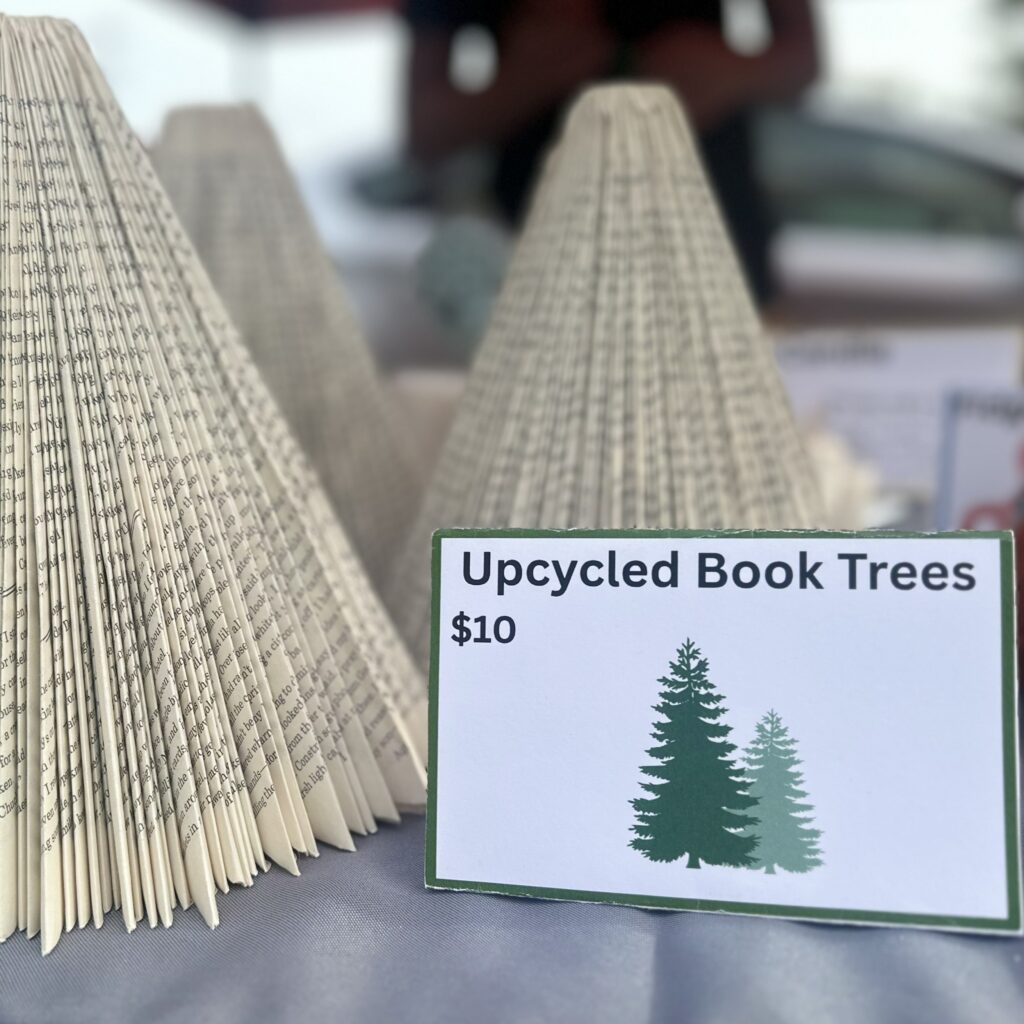
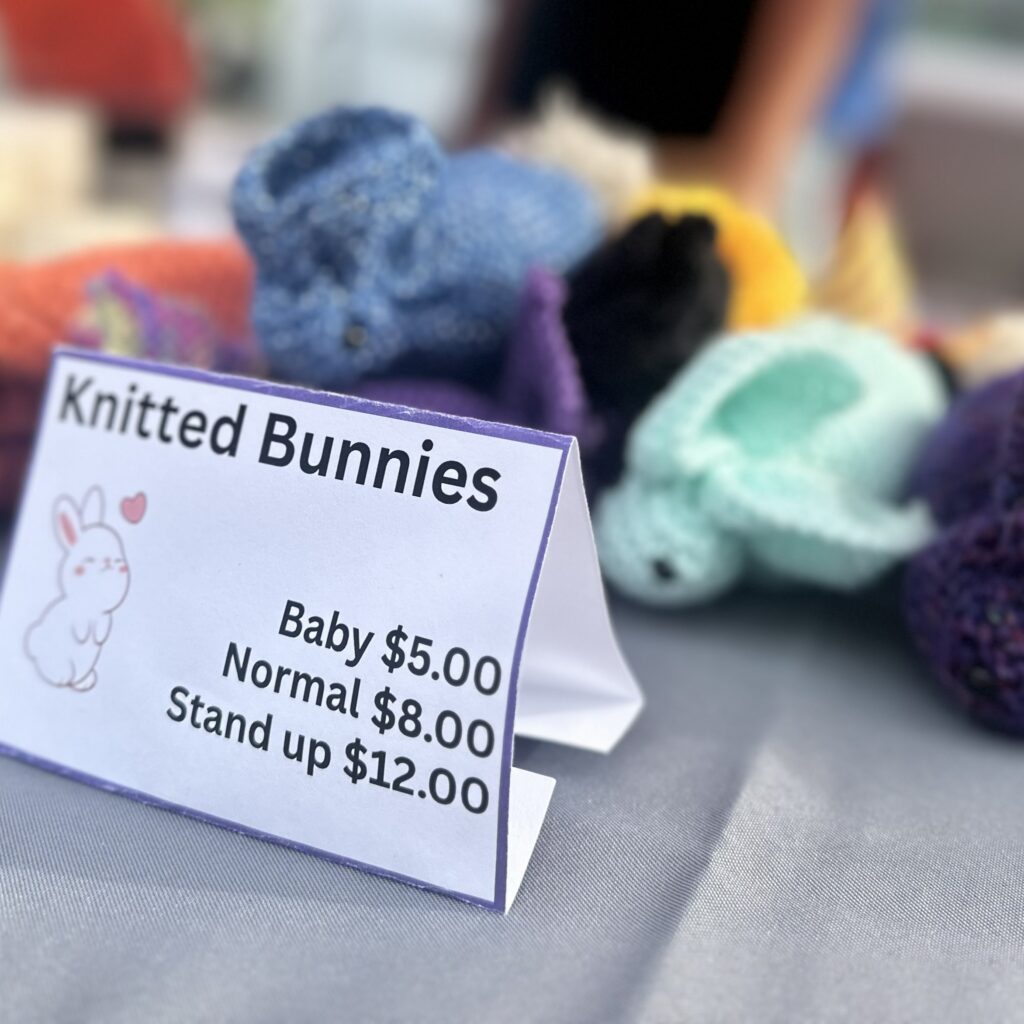
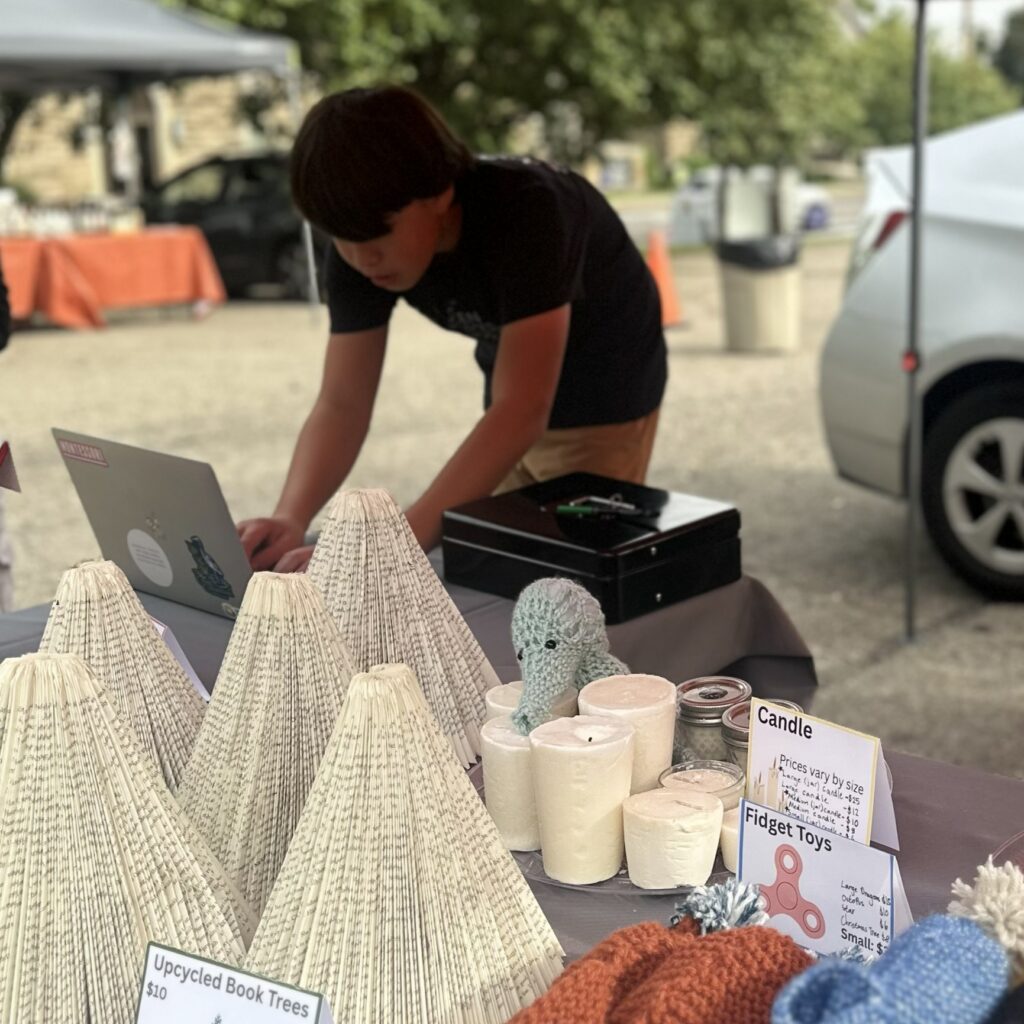
    Presenting the merchandise!
    Making the sales pitch …!
    Crunching the numbers!
    Picking apples for apple butter!
    Estimating the apples for apple butter!
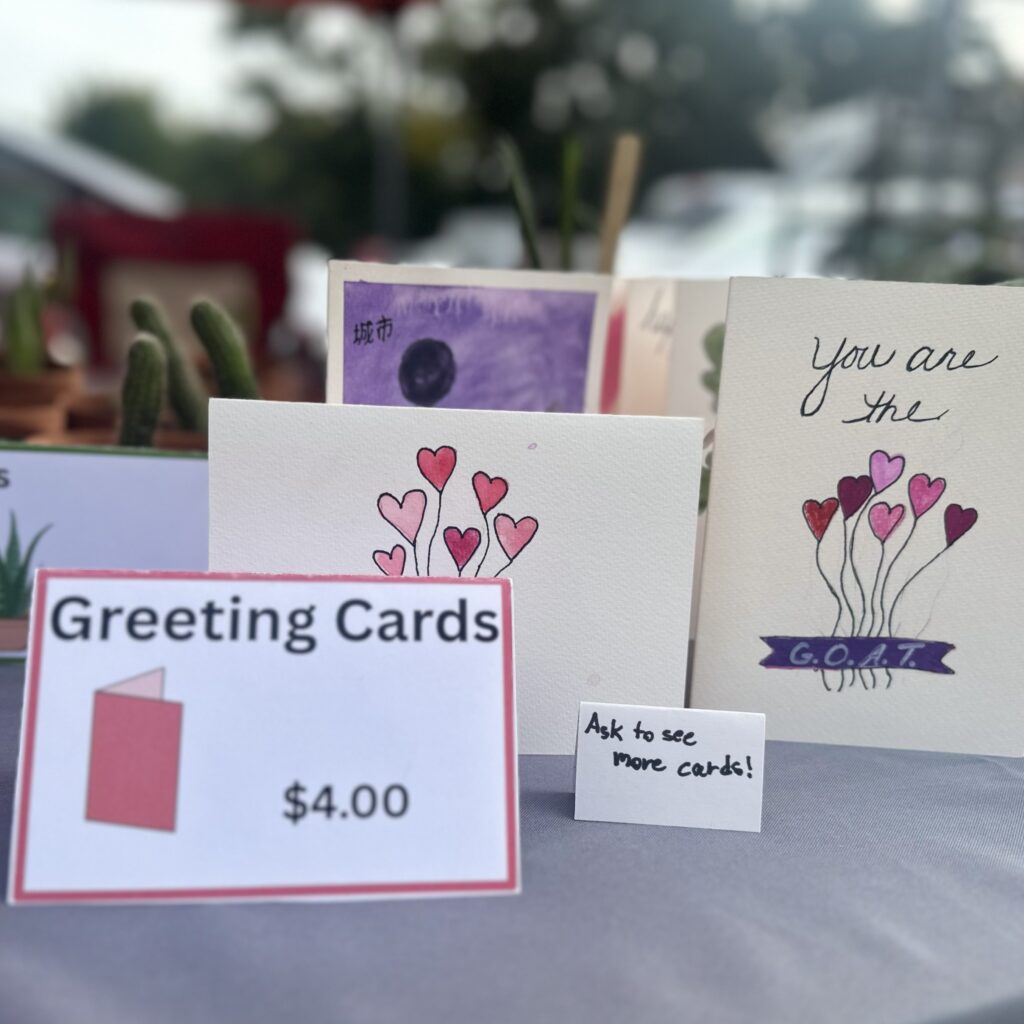
    Creating watercolor greeting cards

    Previous

    Measles Update
    September 9, 2026

    Next

    2026 Lutherlyn Trip
    October 15, 2026

    Office Hours
    Monday-Friday
    7:45 AM - 4:30 PM

    Address
    950 Perry Highway
    Pittsburgh, PA 15237

    Main Menu

    • About
    • Admissions
    • Individual Giving
    • News
    • Events
    • Contact
    • Parent Portal

    Our Programs

    • Toddlers (15 months – 3 years)
    • Children’s House (3-6 years)
    • Elementary (6-12 years)
    • International Summer Camp
    Copyright 2026 The Glen Montessori School
    X