

Middle School Micro Economy – Why?
Impact of the Montessori Adolescent Micro-Economy on Student Development
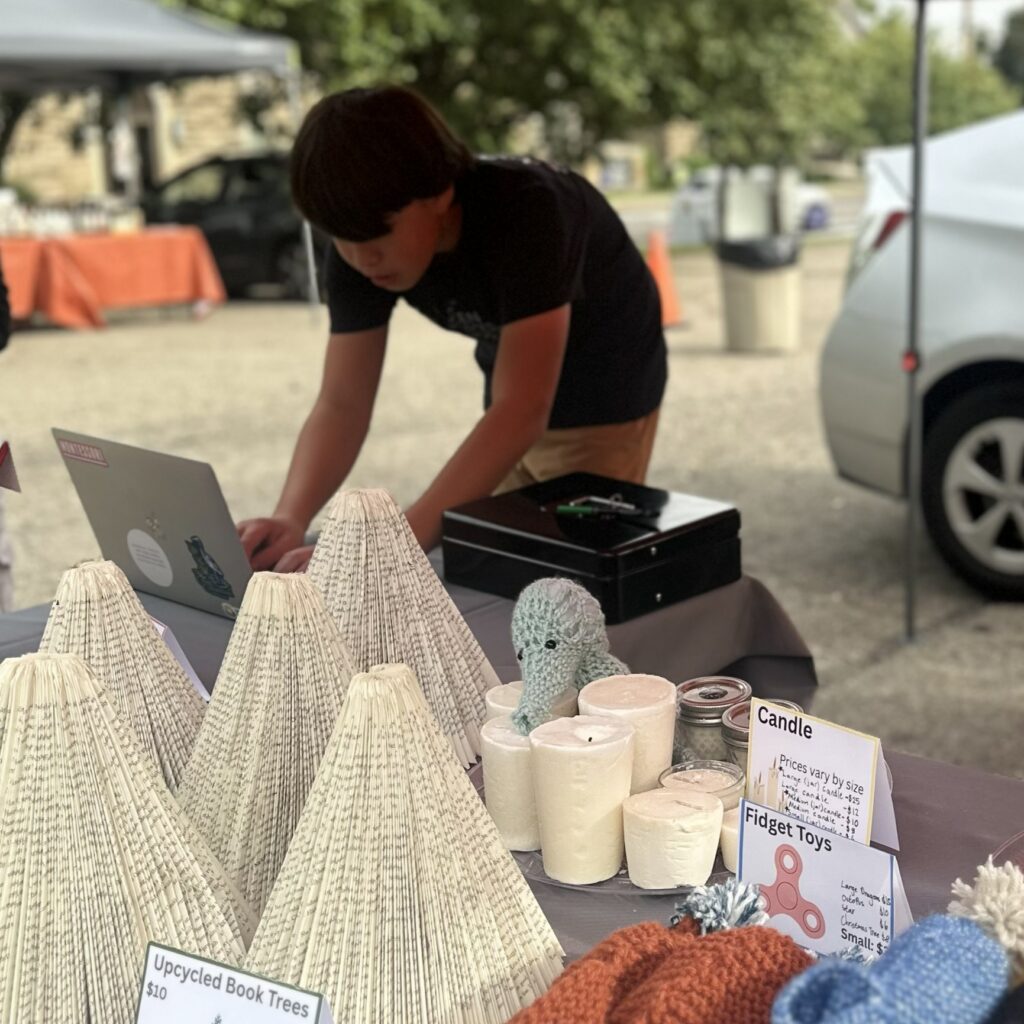
In Montessori adolescent programs, a micro-economy is a small, student-run economic system where adolescents create products or services, manage resources, sell goods, and keep financial records. This idea comes from Maria Montessori’s Erdkinder (German for “Children of the Earth”) vision for adolescents aged 12 to 18, where learning connects to meaningful work and economic participation.
The Purpose and Value Behind Glen Middle School Market
1. Develops Independence and Responsibility
2. Connects Learning to Real Life
Students apply classroom knowledge to practical situations. Students use mathematics for accounting and budgeting, language skills for communication and marketing, and science/cultures for product development and consumer behavior. This integration makes learning more relevant and engaging.
3. Builds Confidence and Self-Esteem
When adolescents see the results of their efforts, they develop a stronger sense of self-worth. Earning income, solving problems, and contributing to a community helps students recognize their capabilities and build confidence.
4. Strengthens Collaboration and Leadership Skills
A successful Montessori adolescent micro-economy requires teamwork. Students work together to plan projects, solve challenges, and serve customers. These experiences foster communication, leadership, and conflict-resolution skills.
5. Prepares Adolescents for Future Careers and Adult Life
Conclusion