



What is Normalization in a Montessori Classroom?
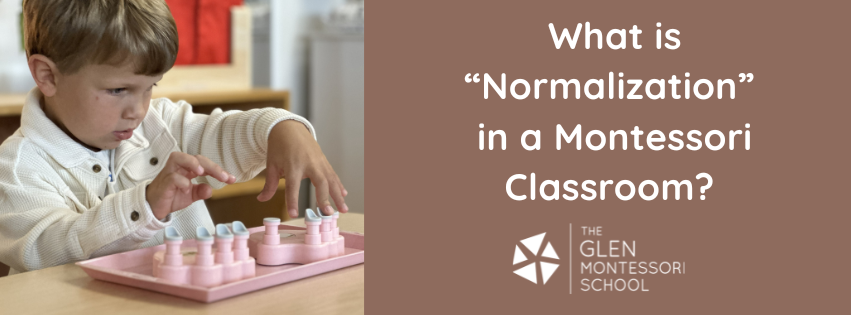
Supporting Your Child’s Journey Toward Normalization
The first days of school in a Montessori environment are filled with curiosity, new routines, and joyful discovery. As your child settles in, you may hear teachers refer to normalization—a core Montessori idea describing the moment when children become deeply engaged, peaceful, and purposeful in their work.
Normalization isn’t about “being normal.” It’s about children developing concentration, independence, and a sense of order as they explore materials that meet their developmental needs. This process unfolds gradually, and the first days of school lay the foundation.
What Normalization Looks Like in the Classroom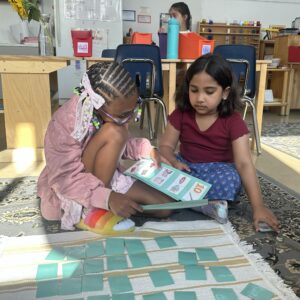
- Concentration — Children begin focusing for longer periods as they discover materials that truly interest them.
- Independence — They choose work, care for their environment, and complete tasks on their own.
- Order — Predictable routines and carefully prepared spaces help children feel secure and confident.
- Joyful work — As children settle in, you’ll notice calm engagement and pride in their accomplishments.
Normalization in a Montessori classroom is often compared to being “in the zone” or experiencing a flow state. It’s the moment when children move seamlessly from one meaningful task to the next, fully absorbed in work that challenges them at just the right level.
For adults, it may be hard to understand why stacking ten pink cubes feels so significant. But for a three‑year‑old, this work requires planning, balance, and precise muscle control—skills they are actively developing. The concentration and satisfaction they experience are essential ingredients of normalization.
How Families Can Support Normalization at Home
- Consistent routines — A steady morning rhythm helps children arrive ready to learn.
- Unhurried transitions — Calm drop‑offs support emotional regulation. Consistently use carline for drop-off; routine is key for children. If your child cries or gets upset, stay calm and firm – your child’s confidence will grow with time.
- Encouraging independence — Let your child carry their own belongings or choose their outfit.
- Early bedtimes — Rested children normalize more quickly.
Dr. Montessori believed that these high levels of concentration, independence, and social competence were signs of the child’s natural developmental progress.